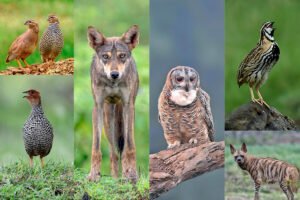
Raptors of the Little Rann of Kutch: Where Birds of Prey Rule the Skies
Last update on: July 25, 2026
Introduction
Each winter, the Little Rann of Kutch quietly becomes one of the most rewarding places in India to observe birds of prey. While wetlands across the subcontinent fill with ducks and waders, this vast mosaic of salt marshes, grasslands, mudflats, and raised islands attracts an equally fascinating cast of aerial hunters. Harriers skim low across the grass, eagles scan the horizon from isolated perches, falcons streak across open country, and owls emerge as daylight fades. The concentration is impressive not because of a single species, but because so many raptors occupy different ecological niches within the same landscape.
Located in western Gujarat, the region is often associated with the Indian Wild Ass Sanctuary, yet its importance extends far beyond its famous mammal. For birders, photographers, and naturalists, birding in Little Rann of Kutch offers a chance to understand how predators shape an ecosystem that appears sparse at first glance but is remarkably productive beneath the surface.
Rather than relying on dense forests or towering mountains, the Little Rann tells a different ecological story. Here, distance, visibility, seasonal flooding, and open terrain combine to create ideal conditions for some of the finest birds of prey in India.
What Makes the Little Rann of Kutch Unique
Stretching across thousands of square kilometres in Gujarat, the Little Rann of Kutch occupies a fascinating transition zone between desert, wetland, and grassland. For much of the year, it appears dry and expansive. During the southwest monsoon, however, floodwaters spread across the basin, transforming large sections into shallow wetlands.
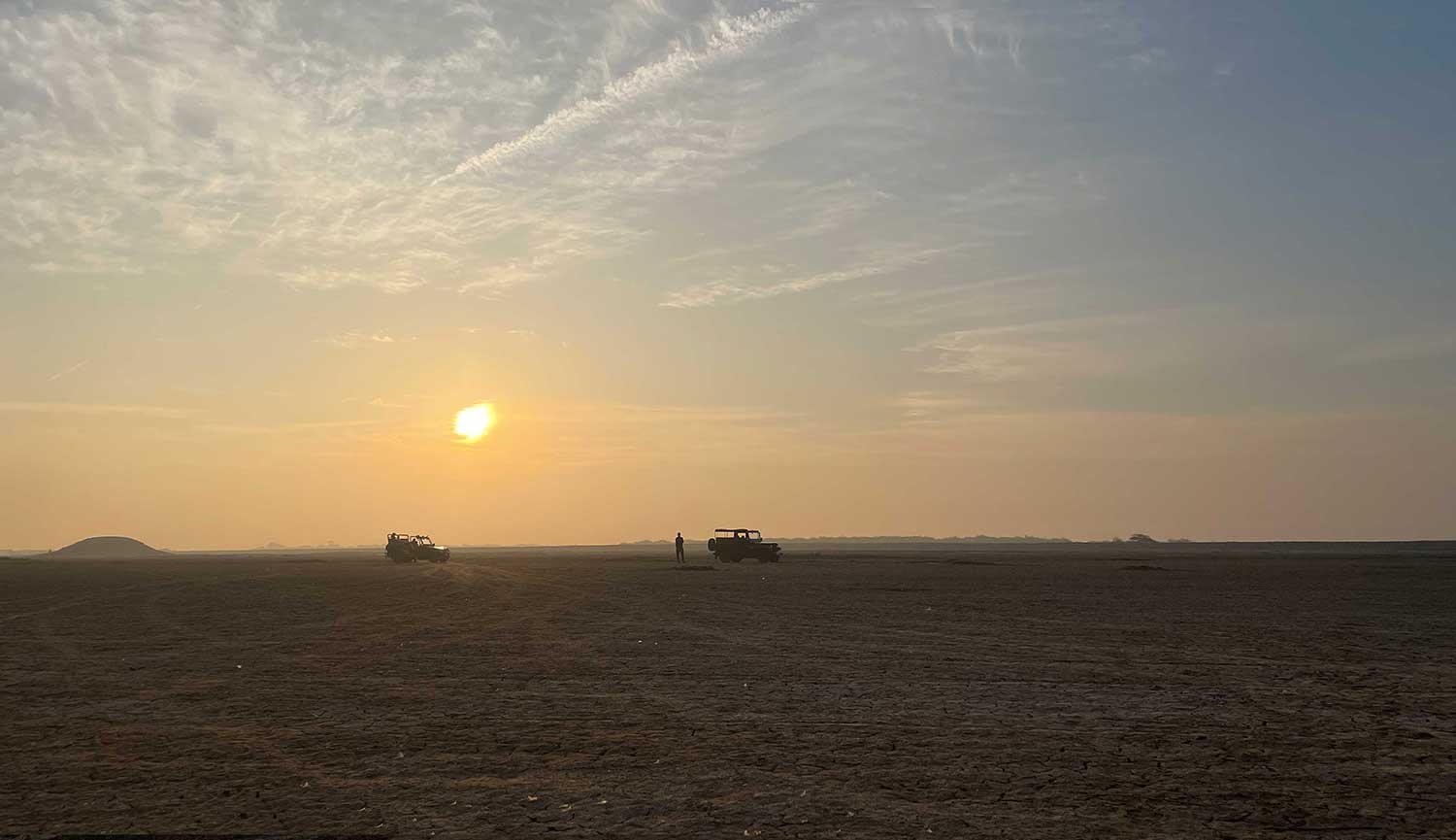
As the water gradually retreats, the landscape changes again. Salt-encrusted plains emerge alongside muddy channels, seasonal pools, grassy patches, and elevated islands locally known as bets. These slightly raised areas remain above flood level and become vital refuges for vegetation, mammals, and nesting birds.
Each habitat contributes something different. Mudflats attract waders and waterbirds. Grasslands support rodents, larks, and small reptiles. Wetlands hold ducks, flamingos, cranes, and other migratory birds. Sparse scrub offers lookout points for hunting raptors. Salt pans created by traditional salt production introduce another layer of habitat, drawing insects and smaller birds that become prey.
This seasonal transformation creates an ever-changing food web. Raptors respond quickly to these shifts, moving between habitats depending on prey availability and weather conditions.
Unlike forest birding, where visibility is often limited, the open country of the Little Rann allows observers to watch hunting behaviour unfold over long distances. A distant eagle can be followed through binoculars for several minutes. Harriers quarter methodically across grasslands, while falcons appear suddenly before disappearing beyond the horizon. These uninterrupted views make wildlife photography in Gujarat particularly rewarding for those interested in behaviour rather than simple identification.
Why Raptors Thrive Here
Predators rarely gather without good reason. In the Little Rann, that reason is an exceptionally balanced food chain supported by seasonal productivity.
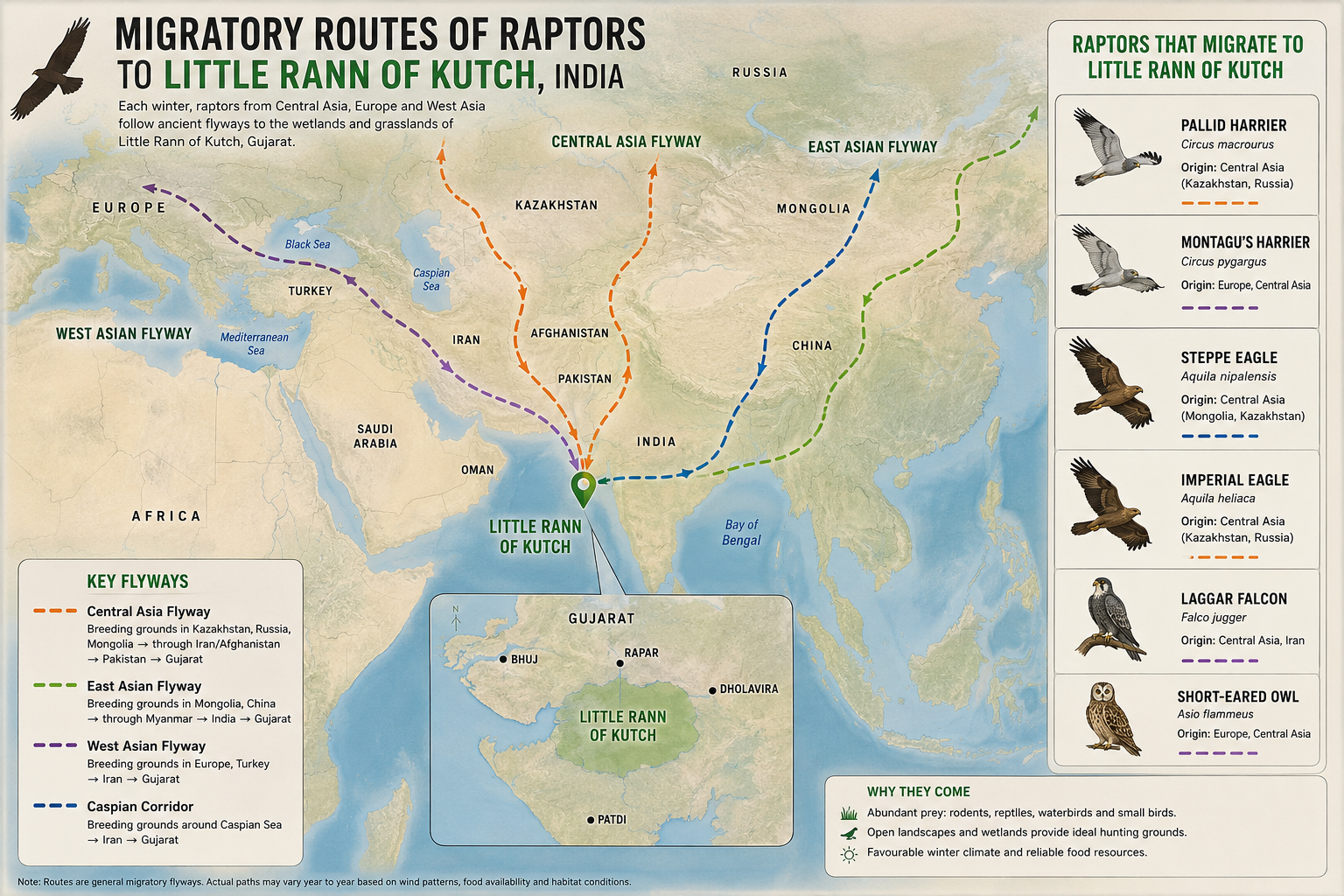
As winter settles across western India, migratory birds arrive from Central Asia, Mongolia, Russia, and parts of Eastern Europe. Waterbirds fill shallow wetlands, while grasslands support increasing numbers of rodents, insects, reptiles, and passerines. Together, these prey species create ideal hunting conditions for both resident and migratory raptors.
The openness of the terrain also works in favour of aerial hunters. Eagles can detect movement from remarkable distances. Harriers fly low over grasses using both vision and hearing to locate prey. Falcons rely on speed across unobstructed airspace, making sudden attacks that would be impossible in densely wooded habitats.
Salt marsh ecology adds another dimension. Fluctuating water levels continually reshape feeding grounds, concentrating prey into predictable areas. As wetlands shrink during winter, fish, amphibians, and waterbirds often become more accessible, attracting larger raptors such as eagles and marsh harriers.
Weather also plays an important role. Cooler temperatures reduce heat distortion during mornings, making hunting more efficient. Gentle winter thermals later in the day allow larger birds to soar with minimal energy expenditure.
For anyone interested in Raptors of Gujarat, the Little Rann demonstrates how landscape, climate, and seasonal cycles interact to support an impressive community of top predators.
Raptors Commonly Seen in the Little Rann
One of the greatest pleasures of exploring the Little Rann is that every habitat presents different opportunities.
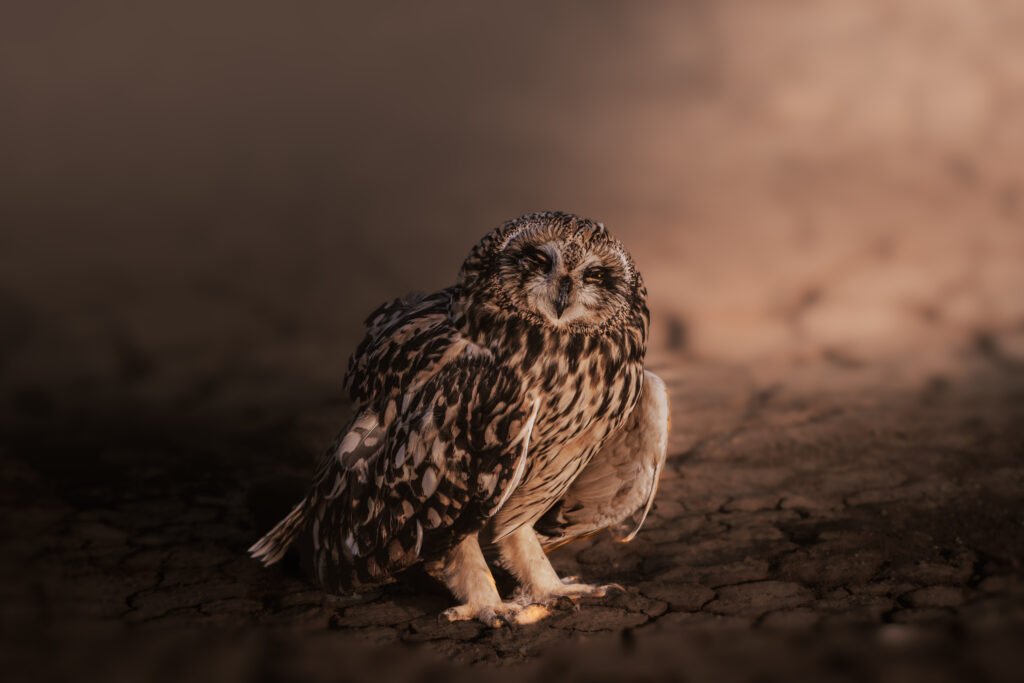
The Short-eared owl often surprises visitors. During winter, these owls frequently hunt in daylight, gliding low over grasslands with buoyant wingbeats before dropping suddenly into vegetation after unsuspecting rodents. Their activity during the late afternoon provides memorable viewing opportunities.
Harriers define much of the winter landscape. The elegant Pallid harrier floats effortlessly above open country, its pale plumage standing out against muted grasslands. The slightly darker Montagu’s harrier shares similar hunting grounds, often quartering methodically over the same fields. Wetland margins attract the larger Western marsh harrier, whose slower flight reflects its preference for water-associated prey.
Montagu’s harrierAmong larger raptors, the Long-legged buzzard often selects isolated mounds, abandoned structures, or low trees as hunting platforms. Patient observation usually reveals long periods of scanning interrupted by swift descents toward unsuspecting prey.
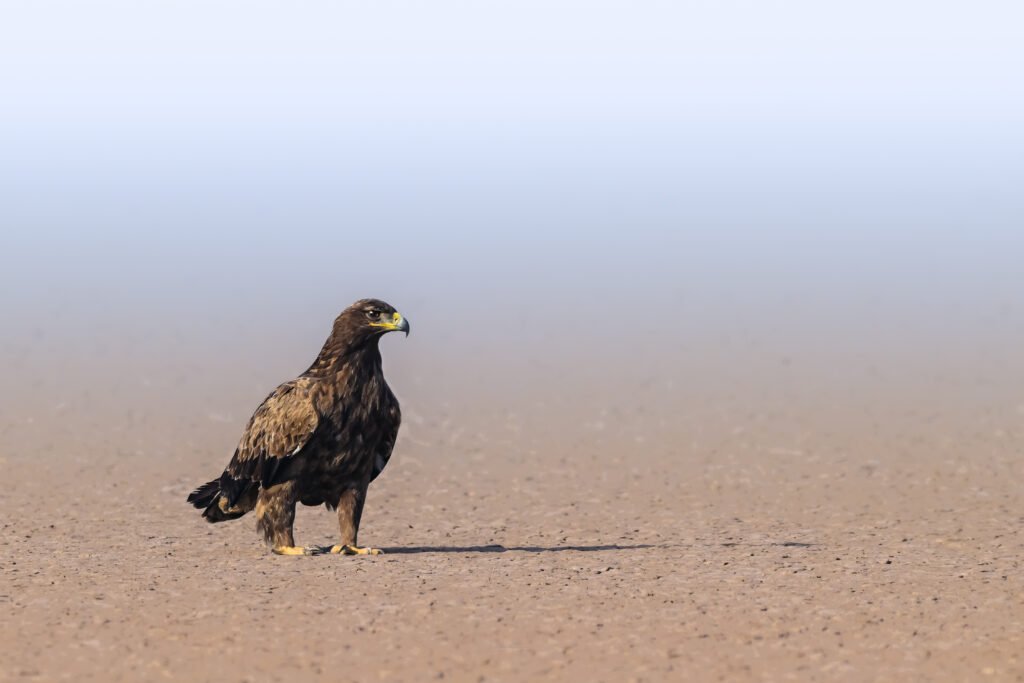
Winter also brings impressive eagles. Steppe eagles are regular visitors, frequently seen perched on elevated points overlooking open country. The scarcer Eastern imperial eagle commands immediate attention with its imposing size and commanding posture. Encountering one across the open plains leaves a lasting impression.
Rockier areas and raised bets occasionally reveal the agile Bonelli’s eagle, particularly where medium-sized birds and mammals are abundant. Its powerful, direct flight contrasts sharply with the soaring behaviour of larger eagles.
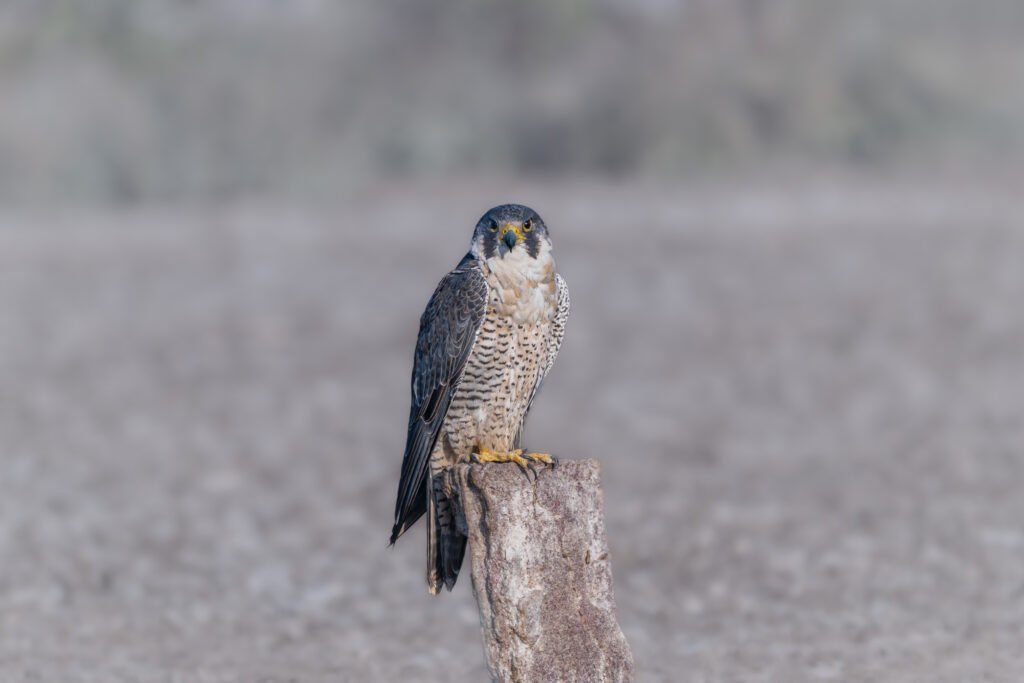
Falcons add speed to the landscape. The locally resident Laggar falcon often patrols open country in search of pigeons, larks, and small mammals. During migration, the Peregrine falcon appears unexpectedly, launching rapid pursuits that demonstrate why it remains one of the fastest birds on Earth.
Several species of kestrels hover effortlessly above grasslands before plunging onto insects or rodents. The familiar Black-winged kite is equally distinctive, hanging motionless in the wind while searching for movement below.
Around villages, agricultural edges, and scattered trees, the adaptable Shikra continues its daily routine, proving that even smaller woodland raptors find suitable hunting grounds within the broader landscape.
During migration, fortunate observers may also encounter the swift Eurasian Hobby, particularly where concentrations of smaller birds provide ideal feeding opportunities.
Together, these species illustrate why Harriers in India, Eagles of India, and other raptors reach such impressive diversity within the Little Rann during winter.
Best Time to Visit
Although the Little Rann remains interesting throughout the year, winter is unquestionably its defining season for raptor observation.
Between November and March, migratory birds arrive in large numbers, temperatures become comfortable, and visibility improves considerably. Morning light is softer, afternoons remain pleasant, and bird activity continues throughout much of the day.
Early winter often brings freshly arrived migrants, while January and February usually produce the highest diversity of migratory birds of Gujarat. By March, rising temperatures begin influencing daily activity, although several resident raptors remain active.
Visitors planning winter birding in India will find the Little Rann among the country’s most rewarding landscapes for observing both resident and migratory birds of prey.
Photography Opportunities
For photographers, the Little Rann offers opportunities that extend far beyond portrait images.
The open terrain allows excellent flight photography, particularly when harriers fly low against uncluttered backgrounds or eagles circle in favourable light. Behavioural images often become the highlight of a trip, whether capturing territorial interactions, successful hunts, or aerial pursuits between competing species.
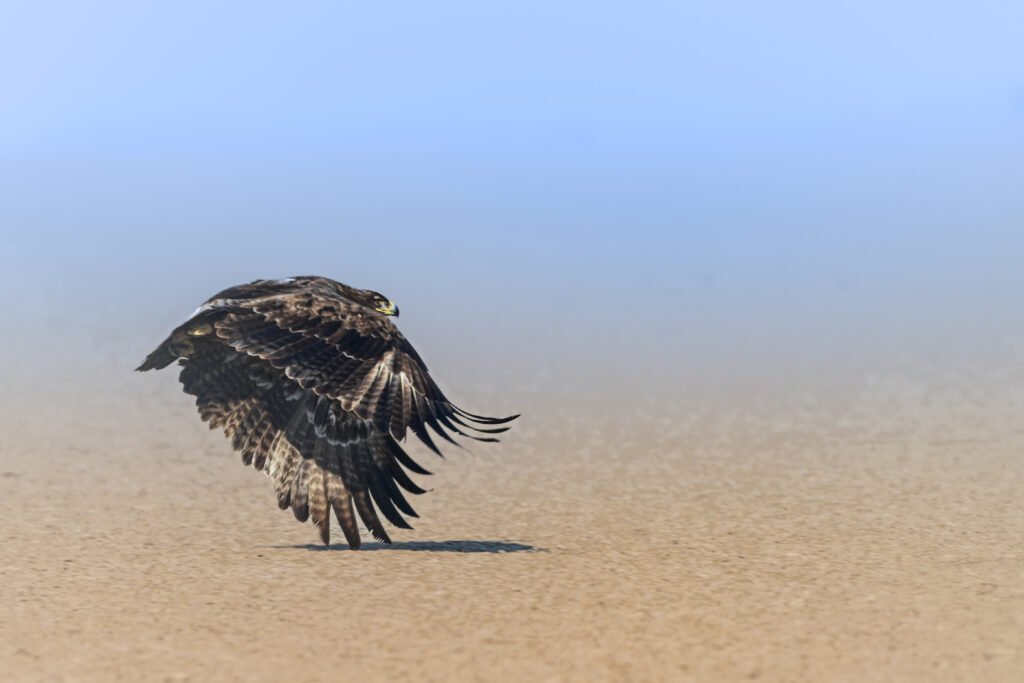
Perched birds provide equally rewarding subjects. Isolated bushes, salt mounds, fence posts, and dead trees often become natural vantage points for raptors, creating clean compositions within the minimalist landscape.
Morning and late afternoon produce softer illumination that reveals feather detail without harsh contrast. Midday heat, however, introduces shimmer that can reduce image sharpness over long distances. Patience, careful positioning, and avoiding excessive cropping often produce better results than chasing distant birds.
Ethical photography remains essential. Maintaining respectful distances, avoiding playback, and never disturbing hunting or roosting birds ensures that photography contributes to appreciation rather than disruption.
These qualities make the region one of the finest bird photography destinations in India and an outstanding location for nature photography in India.
Other Wildlife That Shares the Landscape
Although raptors dominate the skies, they are only one part of the Little Rann’s ecological story.
The graceful Indian Wild Ass remains the sanctuary’s signature mammal, moving confidently across open plains where few large herbivores can survive. Desert Foxes emerge cautiously during quieter hours, while Nilgai browse along vegetated patches and bets.
Wetlands support impressive gatherings of Greater and Lesser Flamingos, cranes, pelicans, storks, and numerous ducks during winter. Grasslands host larks, pipits, wheatears, shrikes, coursers, and other grassland birds of India, many of which serve as prey for larger raptors.
Watching these interactions reveals how every species contributes to the landscape. Raptors are not isolated spectacles. They are indicators of a functioning ecosystem where prey populations, seasonal water, vegetation, and predator behaviour remain closely connected.
Conservation Importance
The Little Rann of Kutch occupies an important position along migratory routes linking Central Asia with the Indian subcontinent. Every winter, countless birds depend on its wetlands and grasslands for food and shelter before continuing their journeys or spending the season here.
Protecting this landscape requires balancing wildlife conservation with traditional livelihoods, including salt production and pastoral communities that have shared these habitats for generations. Maintaining healthy wetlands, preserving grasslands, and reducing habitat fragmentation benefit both resident wildlife and migratory visitors.
Responsible tourism also plays a meaningful role. Guided observation, ethical Little Rann safari practices, and increased awareness encourage long-term support for conservation while providing sustainable economic opportunities for local communities.
As interest in Gujarat wildlife continues to grow, careful management will remain essential to safeguard one of India’s most important seasonal raptor landscapes.
Many birding destinations are remembered for a single rare species or a dramatic landscape. The Little Rann of Kutch leaves a different impression. Its greatest strength lies in revealing the relationships that sustain an entire community of predators across changing seasons.
Watching a Pallid Harrier sweep silently across winter grasslands, a Steppe Eagle scanning distant marshes, or a Short-eared Owl emerging before dusk offers more than another entry on a life list. These encounters demonstrate how climate, migration, prey populations, and habitat work together across one of western India’s most dynamic environments.
For anyone interested in best birding destinations in India, birding in Little Rann of Kutch, or understanding the ecological role of birds of prey in India, the Little Rann offers something increasingly rare. It provides the chance to observe an ecosystem through the eyes of its hunters, where every flight, every perch, and every successful hunt reflects the quiet complexity of a landscape shaped by water, salt, grass, and time.