Sherpa Gaon: Why it is a dream destination for Herping and Macro Photography
Last update on: June 11, 2026
Tucked away in the folds of the Eastern Himalayas, Sherpa Gaon in Kalimpong is gradually earning recognition among naturalists, wildlife photographers, and biodiversity researchers. Unlike destinations that are celebrated for sweeping landscapes or iconic wildlife sightings, Sherpa Gaon offers something far more intricate. Its appeal lies in the miniature worlds concealed beneath leaves, within moss-covered stone walls, along damp forest trails, and among the countless ecological niches that thrive in this mountain environment.
For those interested in herping and macrophotography, Sherpa Gaon presents an extraordinary opportunity to explore life at a different scale. Here, the focus shifts from large mammals and dramatic scenery to creatures that often go unnoticed despite playing crucial roles in forest ecosystems.
Where is Sherpa Gaon?
 Sherpa Gaon is a small Himalayan settlement located in the Kalimpong district of West Bengal. Positioned amidst dense temperate forests and surrounded by mountain ridges, the village sits within a landscape shaped by persistent moisture, varied elevations, and rich vegetation cover.
The region benefits from a unique geographical position between the plains of North Bengal and the higher reaches of the Eastern Himalayas. This transition zone creates a remarkable concentration of biodiversity. Numerous species from different ecological zones overlap here, resulting in an environment that supports a surprising variety of reptiles, amphibians, insects, arachnids, and other small forest dwellers.
The village itself remains relatively peaceful and less commercialized than many Himalayan destinations. This lack of heavy tourism has helped preserve surrounding habitats, making Sherpa Gaon particularly attractive for nature-based exploration.
Why Sherpa Gaon is a Biodiversity Hotspot
The true value of Sherpa Gaon lies in its ecological complexity.
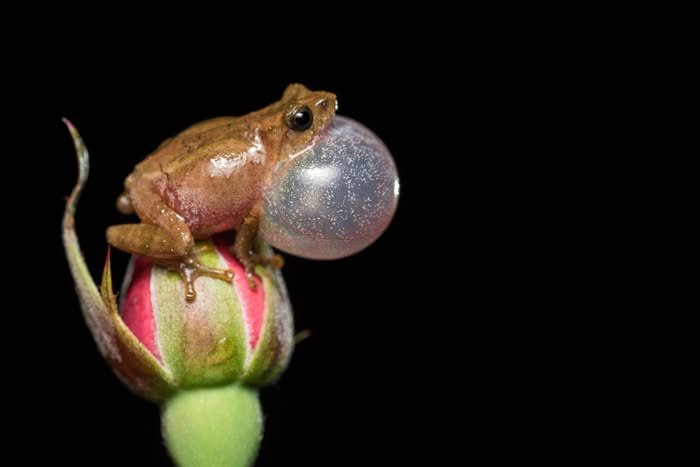 Moisture-rich forests, seasonal streams, thick leaf litter, bamboo groves, epiphytic growth, and abundant understorey vegetation combine to create countless microhabitats. Every fallen log, rock crevice, moss-covered branch, and fern cluster becomes a potential shelter for a range of species.
The Eastern Himalayas are recognized globally as one of the most significant biodiversity regions on Earth. Sherpa Gaon benefits directly from this biological richness.
A short walk through the forest can reveal an astonishing range of life forms, including:
- Tree frogs
- Bush frogs
- Stream frogs
- Skinks
- Geckos
- Shieldtail snakes
- Vine snakes
- Orb-weaver spiders
- Jumping spiders
- Mantises
- Stick insects
- Katydids
- Beetles
- Moths
- Millipedes
- Harvestmen
- Land snails
For natural history enthusiasts, every square meter of habitat becomes an area worth investigating.
The Magic of Herping in Sherpa Gaon
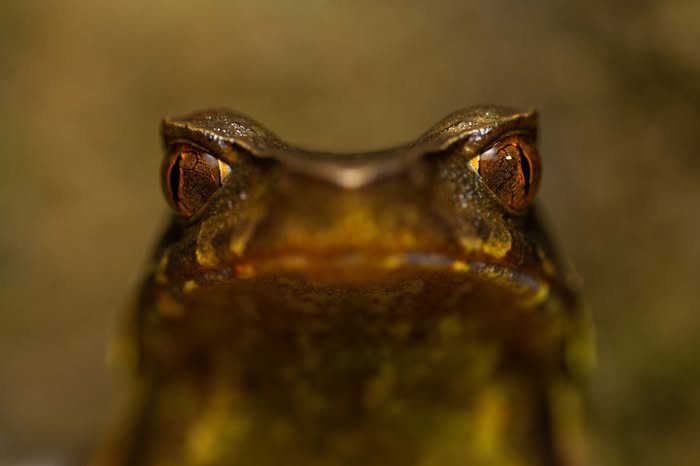
Herping is often misunderstood as a search for snakes alone. In reality, it encompasses the observation and documentation of reptiles and amphibians in their natural environments.
Sherpa Gaon offers ideal conditions for this pursuit.
The region experiences frequent mist, substantial rainfall, and moderate temperatures for much of the year. These conditions support healthy amphibian populations, which in turn contribute to a dynamic food web involving reptiles and countless invertebrates.
One of the most rewarding aspects of herping in Sherpa Gaon is the unpredictability. A forest trail that appears quiet during daylight may transform after sunset into a vibrant arena of activity.
As darkness settles, frogs emerge from hidden retreats and begin vocalizing from stream edges and vegetation. Geckos become active on walls and tree trunks. Small snakes may be found moving through leaf litter in search of prey. Moist surfaces glisten with life.
Rather than pursuing a checklist of species, successful herping in Sherpa Gaon often involves careful observation and patience. The environment rewards those who slow down and pay attention to subtle details.
This approach transforms every outing into a process of discovery rather than simply a search for specific animals.
Why Sherpa Gaon Excels for Macrophotography
Many wildlife destinations impress visitors with scale. Sherpa Gaon excels because of detail.
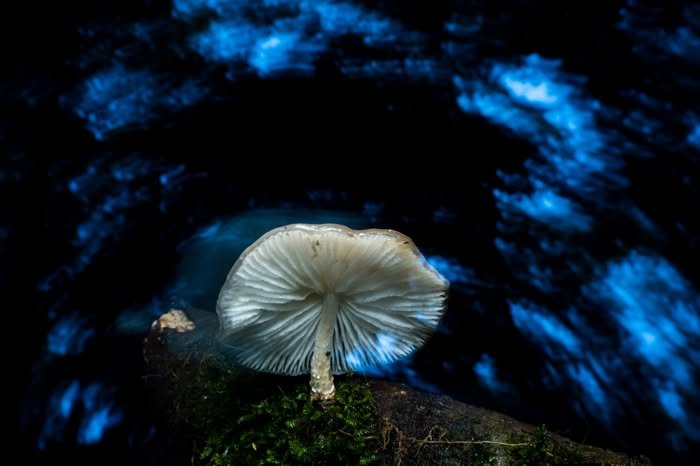
Macrophotography thrives where biological diversity and habitat complexity intersect. Sherpa Gaon provides both in abundance.
Photographers quickly discover that the forest contains endless subjects. Delicate mushroom formations emerge from decaying wood. Dew-covered spiders construct geometric masterpieces between branches. Tiny frogs display intricate textures and patterns invisible to the naked eye.
Even a single fern patch can host numerous photographic opportunities.
Some of the most fascinating macro subjects found around Sherpa Gaon include:
- Jumping spiders with jewel-like eyes
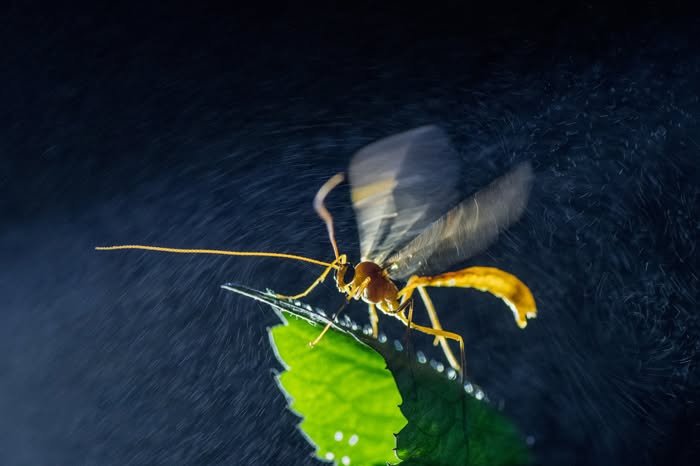
- Lanternflies with elaborate structures
- Leaf-mimicking katydids
- Assassin bugs
- Treehoppers
- Orchid mantises
- Forest moths
- Slugs and snails
- Fungal growths
- Moss communities
- Lichens
- Dew formations
The constant humidity often creates ideal photographic conditions. Soft light filtered through cloud cover reduces harsh shadows and helps reveal intricate textures and natural colors.
Photographers rarely struggle to find subjects. The greater challenge lies in deciding which ones deserve attention.
The Importance of Night Exploration
While daytime offers excellent opportunities, much of Sherpa Gaon’s hidden biodiversity becomes active after dark.
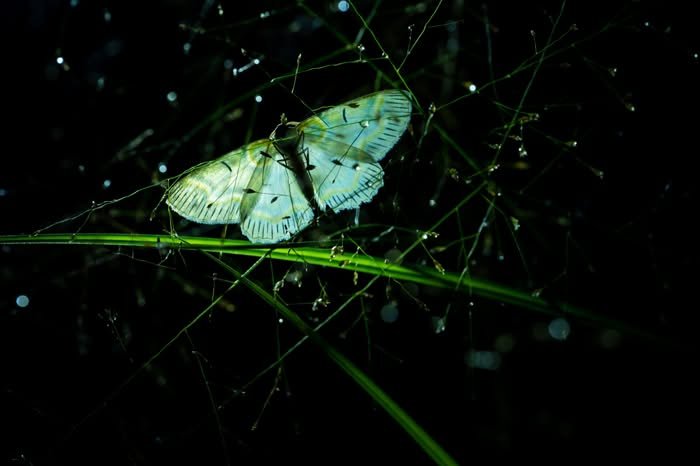
Night walks reveal a completely different side of the forest.
Flashlights illuminate reflective eyes among leaves. Tiny frogs perch on vegetation just above streams. Spiders occupy hunting positions on webs stretched across pathways. Beetles and moths gather around forest edges.
For macrophotographers, nighttime often produces the most striking images because many species are more approachable during these hours.
The forest atmosphere also changes dramatically. Moist air, distant amphibian calls, and shifting patterns of light create an immersive experience that enhances both observation and photography.
Responsible nighttime exploration conducted with experienced local guides can significantly increase species encounters while minimizing disturbance to wildlife.
Seasonal Advantages for Wildlife Photography
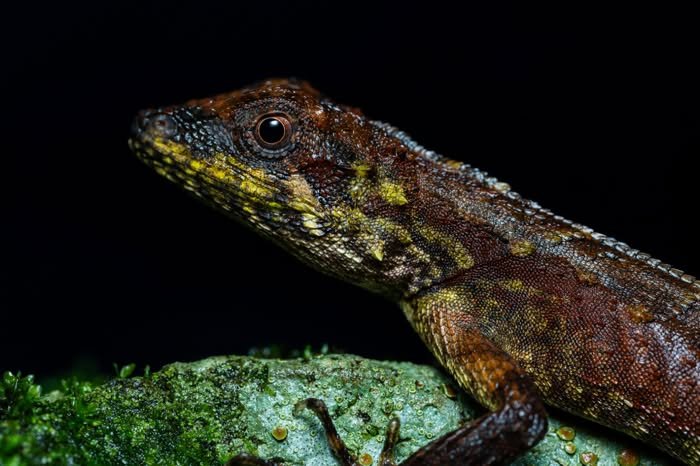
Although Sherpa Gaon can be visited throughout much of the year, different seasons offer distinct opportunities.
The monsoon period is particularly productive for amphibian activity. Frogs breed, insects become abundant, and forest productivity reaches its peak.
Post-monsoon months often provide excellent photographic conditions. Vegetation remains lush, humidity supports active wildlife populations, and visibility improves compared to periods of heavy rainfall.
Winter brings cooler temperatures and a different assemblage of species. While amphibian activity may decline, numerous insects, spiders, and reptiles remain accessible to photographers willing to explore carefully.
Each season contributes unique photographic possibilities, making repeat visits worthwhile.
Conservation Through Documentation
One of the most valuable aspects of herping and macrophotography is their contribution to biodiversity awareness.
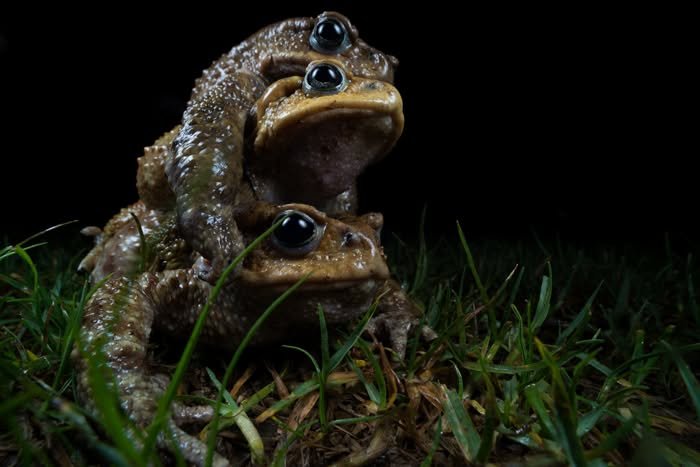
Many forest organisms remain poorly documented despite their ecological importance. Photographs can help researchers, citizen scientists, and conservation organizations improve understanding of species distribution and habitat requirements.
Sherpa Gaon serves as an excellent example of why small habitats matter. The survival of many species depends on intact forest patches, healthy stream systems, and undisturbed microhabitats.
By documenting these organisms and sharing their stories, photographers help shift attention toward lesser-known forms of biodiversity that often receive limited conservation focus.
Beyond Photography
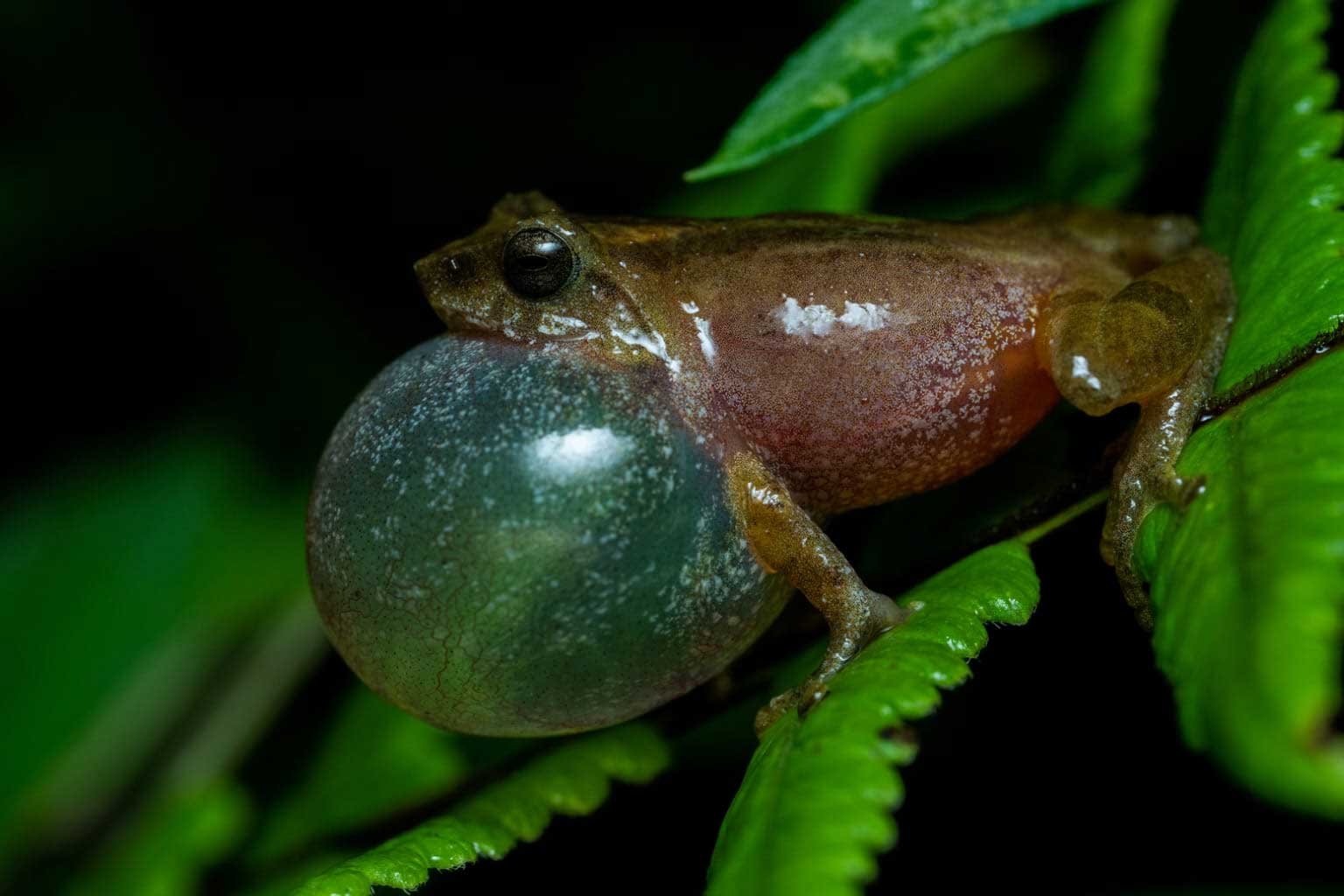
Sherpa Gaon offers more than wildlife encounters.
Visitors gain exposure to a slower rhythm of mountain life, traditional Himalayan culture, and landscapes shaped by centuries of coexistence between people and nature.
The surrounding forests provide opportunities for birdwatching, natural history observation, ecological learning, and immersive outdoor experiences. This combination makes the destination appealing not only to photographers but also to educators, students, researchers, and conservation enthusiasts.
Final Thoughts
Sherpa Gaon stands apart because it encourages a different way of seeing nature.
Instead of searching for spectacle, visitors learn to appreciate complexity. Instead of focusing on size, attention turns toward detail. Every patch of moss, every stream bank, and every forest corner reveals layers of biological richness waiting to be explored.
And perhaps that is what makes Sherpa Gaon truly unforgettable. Long after the journey ends, it leaves behind a changed perspective. You return home realizing that the forest is not merely a collection of trees. It is a vast living universe of hidden characters, secret dramas, and astonishing adaptations unfolding every night and every day.
The next time you walk through a woodland trail, you may find yourself pausing more often, looking more carefully, and wondering what extraordinary creature is waiting just beyond your field of vision.
In Sherpa Gaon, the greatest discoveries are rarely the ones that tower above you. They are the ones that quietly reveal themselves when you finally learn to see.