Bhigwan Grasslands: When Monsoons Rewrite Every Wildlife Photograph
Last update on: July 3, 2026
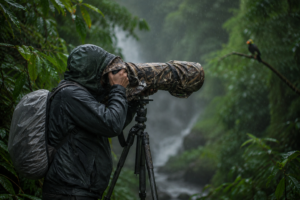
For many wildlife photographers, the arrival of the monsoon signals the end of the field season. Forest tracks become difficult, national parks close their gates, and camera gear is packed away until winter returns.
Bhigwan quietly challenges that assumption.
Situated in the rain-fed plains of Maharashtra, the Bhigwan grasslands transform dramatically once the first showers arrive. The dry earth that looked almost lifeless just weeks earlier becomes a thriving landscape of fresh grass, seasonal wetlands, flowering plants, insects, reptiles, raptors, and an astonishing variety of birds. Every rainfall adds another layer to the story unfolding across this remarkable ecosystem.
For photographers looking beyond the familiar safari circuit, Bhigwan during the monsoon offers something increasingly difficult to find. Diversity, accessibility, and countless photographic opportunities within a constantly changing landscape.
A Different Side of Bhigwan
Most people associate Bhigwan with winter flamingos gathering around the backwaters of the Ujani Dam. While that spectacle deserves its reputation, it represents only one chapter of the region’s natural calendar.
The monsoon introduces an entirely different cast of characters.
As seasonal grasses grow rapidly across open plains, the area becomes one of western India’s richest habitats for grassland wildlife. These vast stretches provide food, shelter, and breeding grounds for numerous bird species that depend on healthy grassland ecosystems.
Unlike dense forests where wildlife often disappears behind thick vegetation, Bhigwan’s open habitat allows photographers to observe behaviour with remarkable clarity. Subjects can often be photographed within their natural surroundings rather than as tightly cropped portraits.
The result is a stronger visual narrative that places wildlife within the environment it depends upon.
Why Grasslands Matter More Than Most People Realise
 Grasslands rarely receive the same attention as forests, yet they support an extraordinary range of life.
They are among India’s most threatened ecosystems, continuously shrinking due to agriculture, development, and changing land use. Their apparent simplicity often hides incredible ecological complexity.
 Each patch of grass supports insects, reptiles, rodents, amphibians, small mammals, and birds, creating a food web that sustains predators throughout the season.
For wildlife photographers, this translates into an impressive variety of subjects within relatively small distances.
 Instead of spending an entire day searching for one elusive animal, photographers often encounter multiple species displaying completely different behaviours.
The changing weather only adds to the excitement. Passing clouds create dramatic lighting, rain showers soften colours, and fresh vegetation provides natural backgrounds that remain vibrant throughout the season.
Birds That Bring the Grasslands Alive
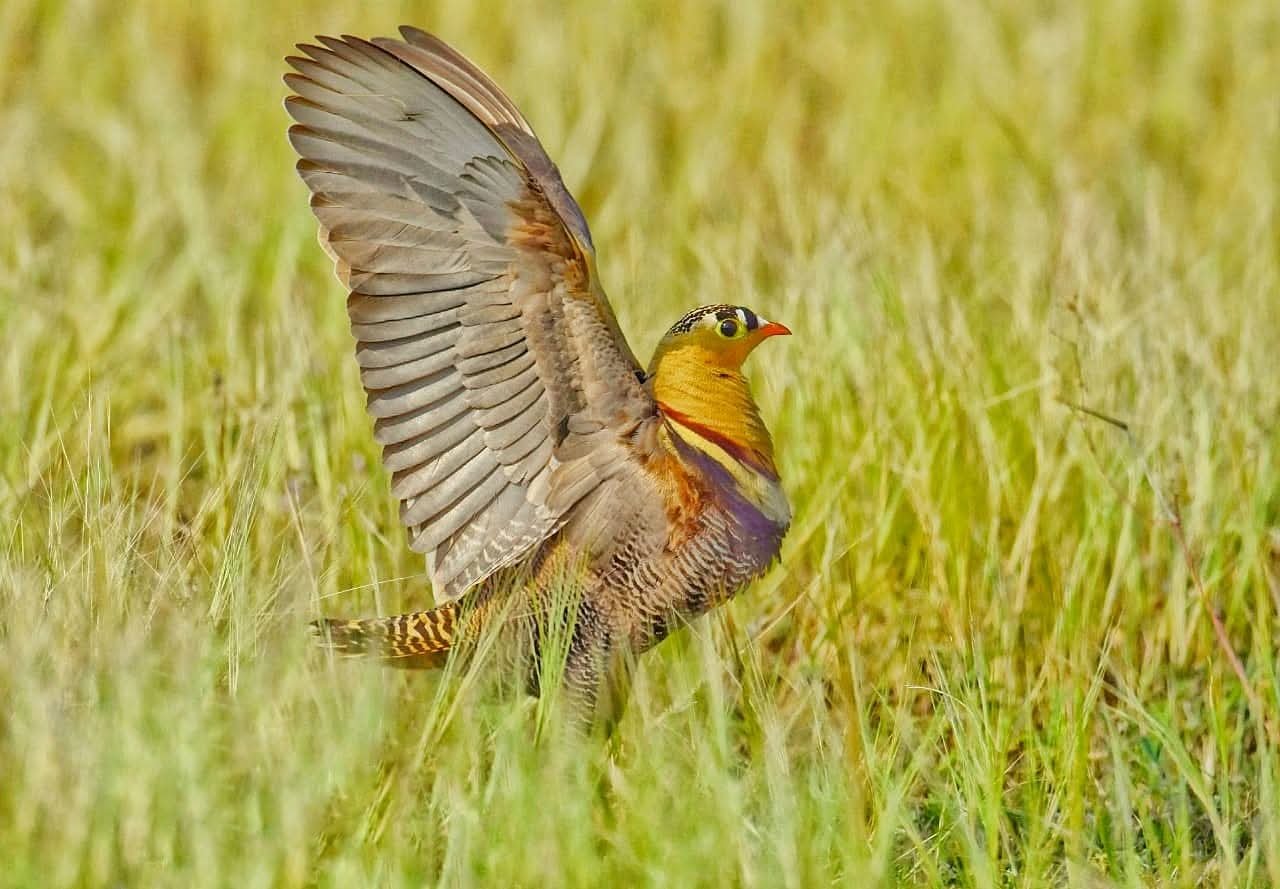 Monsoon bird photography in Bhigwan is about far more than creating a species checklist.
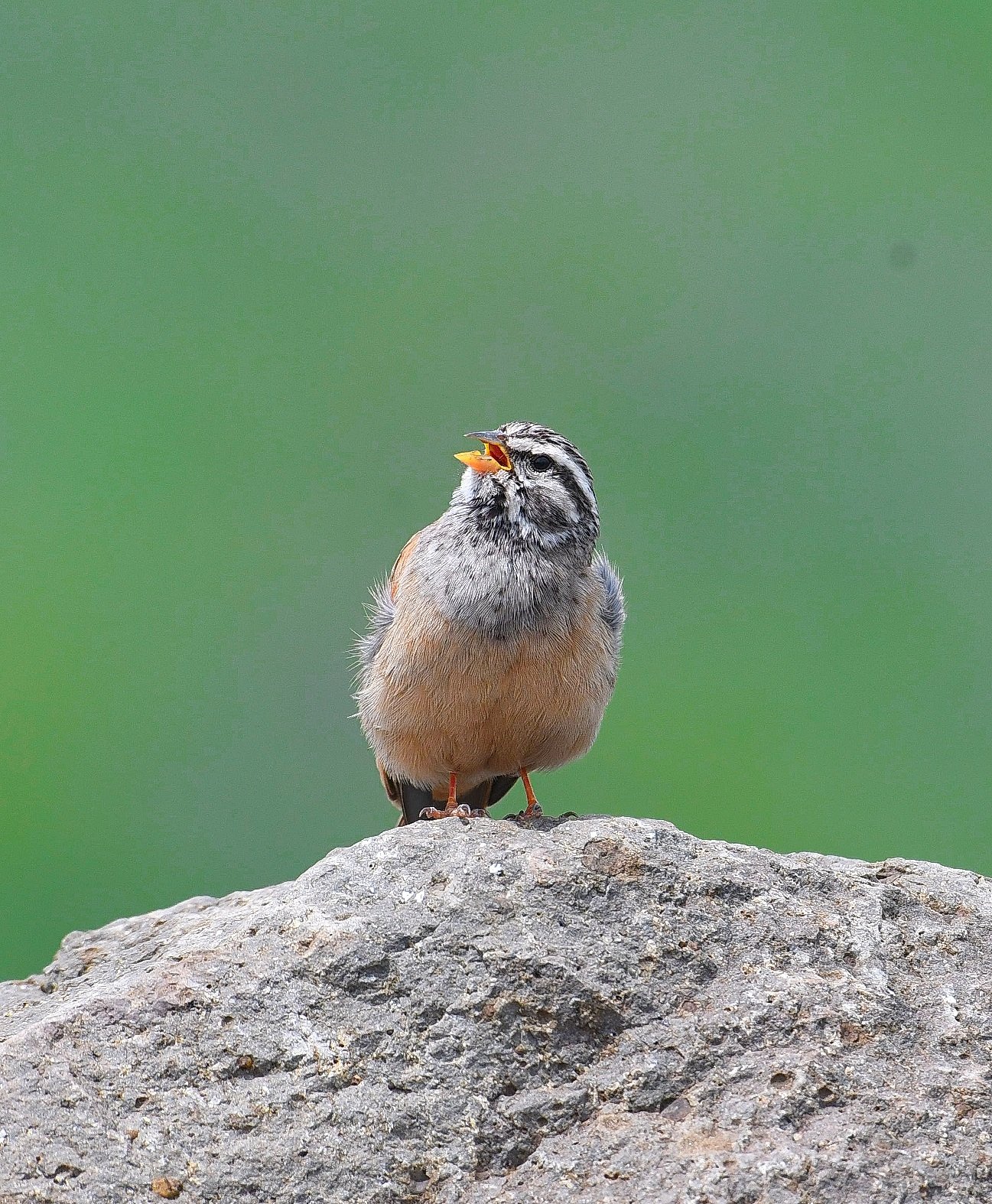
Many birds are actively breeding, defending territories, feeding young, or collecting nesting material. These behaviours produce photographs that tell compelling stories instead of simply documenting identification features.
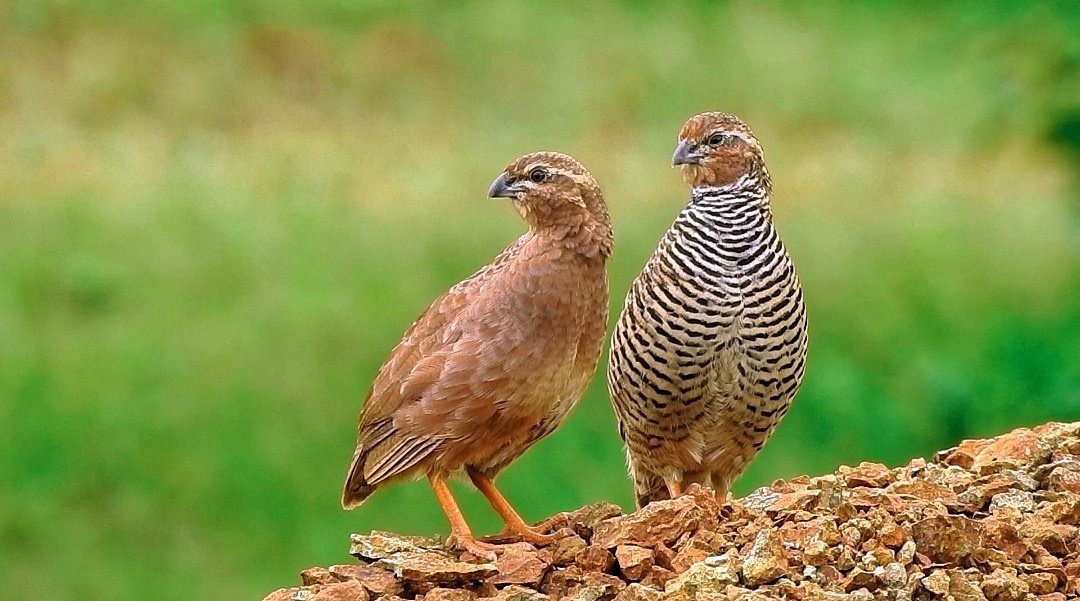
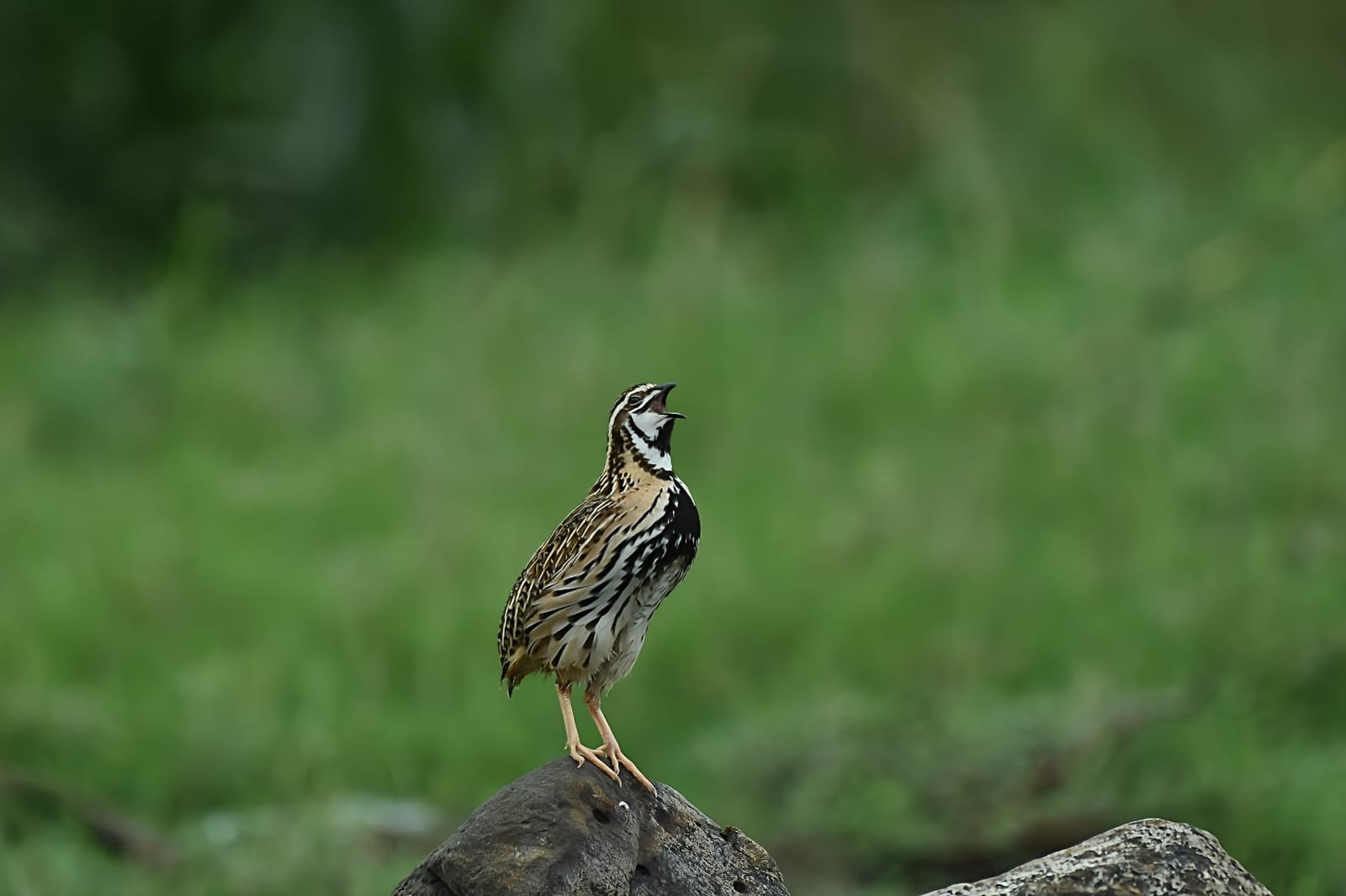
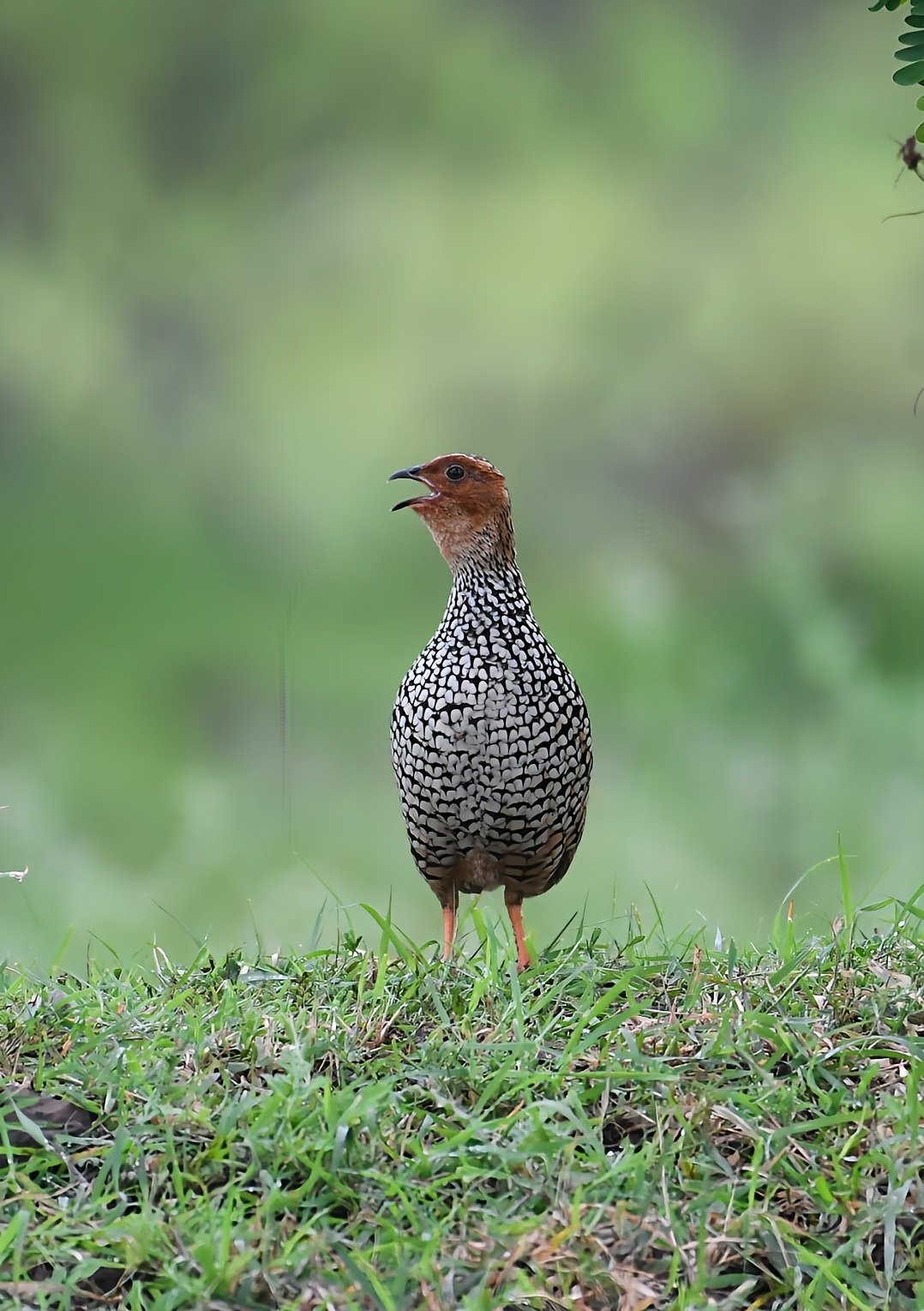 Among the regularly photographed species are Indian Thick-knee, Yellow-wattled lapwing, Indian courser, Rain quail, Painted francolin, Mottled wood-owl, Ashy-crowned sparrow-lark, Indian bushlark, Red-wattled lapwing, Crested lark, Indian roller, Green bee-eater, Pied bushchat, Black drongo, Long-tailed shrike, Greater coucal, Indian peafowl, and several species of pipits and wagtails.
Birds of prey are equally rewarding.
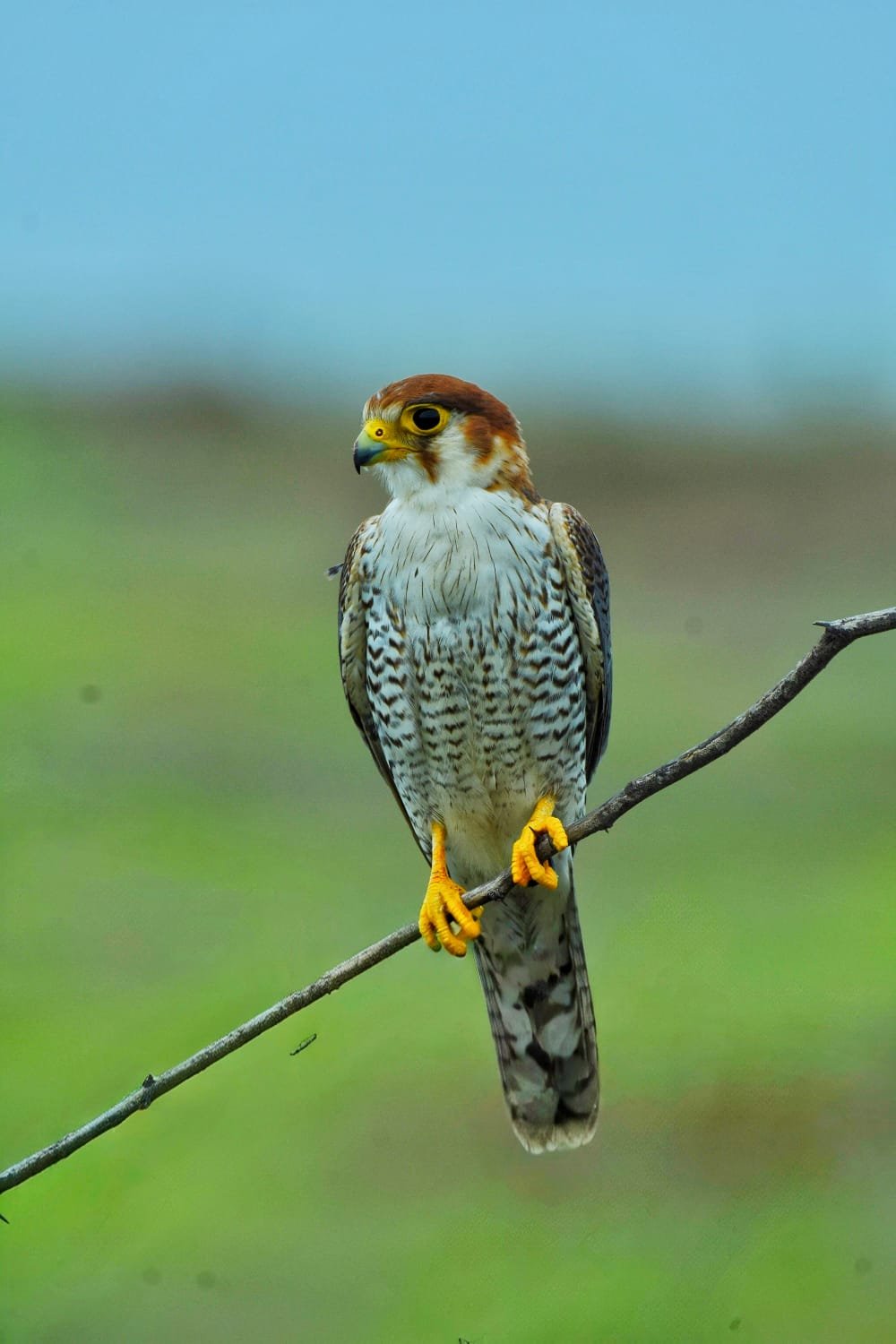 Marsh Harriers patrol low across the grass while Black-winged Kites hover with remarkable precision before dropping onto unsuspecting prey. Shikras frequently appear on exposed perches, offering opportunities for clean compositions against dramatic skies.
One of the greatest joys lies in discovering how ordinary species behave in extraordinary ways during the breeding season.
Photographs become less about rarity and more about timing.
Small Wildlife, Big Stories
Bhigwan’s monsoon season is also a paradise for photographers interested in subjects that often go unnoticed.
Tiny frogs emerge after rainfall.
Brilliant dragonflies patrol temporary pools.
Butterflies gather around damp soil.
Praying mantises blend perfectly into fresh vegetation.
Orb-weaving spiders decorate grasses with dew-covered webs that sparkle in early morning light.
Each subject offers opportunities for macro photography as well as environmental compositions.
Patient observation often reveals fascinating interactions between predator and prey, insects pollinating wildflowers, or amphibians calling after fresh rain.
These intimate scenes remind photographers that compelling wildlife images do not always require large mammals.
Sometimes the smallest subjects tell the biggest stories.
Mammals Hidden in Plain Sight
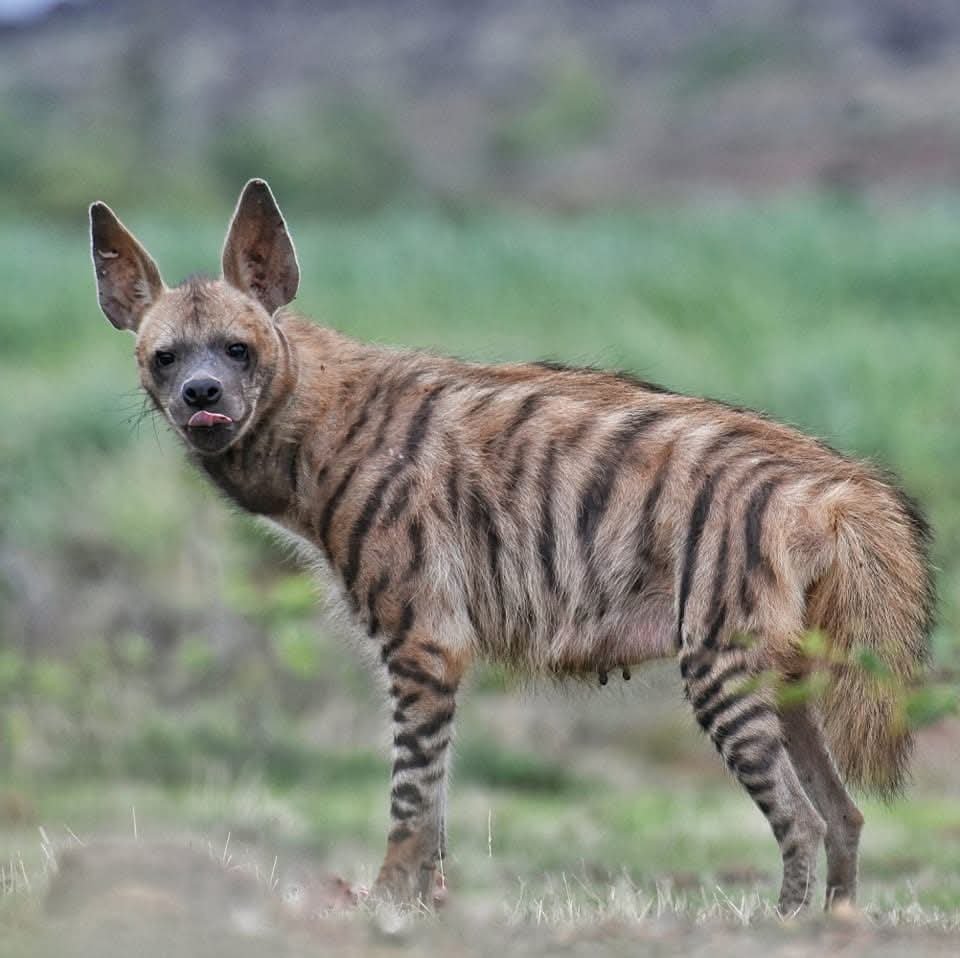 Although birds dominate the headlines, the grasslands also support an interesting collection of mammals.
Indian Hare frequently emerge during quieter hours.
Indian Grey Mongoose move confidently through vegetation searching for prey.
Golden Jackals patrol open ground, especially after rainfall when activity increases.
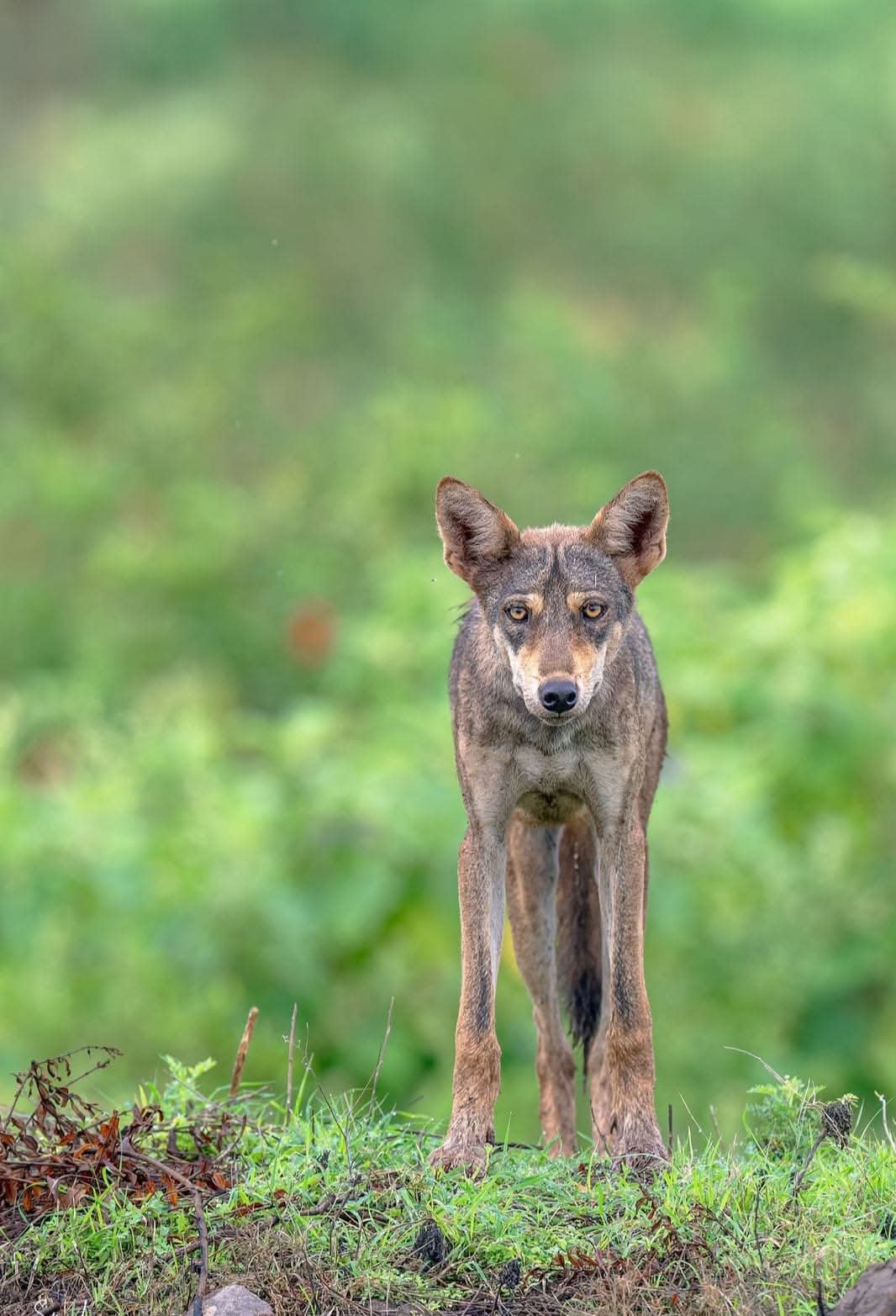 Occasionally, Indian Fox may be seen moving across distant grasslands with remarkable elegance.
Their colours blend beautifully with the rain-soaked landscape, producing images that feel authentic rather than staged.
Because the habitat remains relatively open, photographers often have opportunities to capture these animals within expansive landscapes instead of isolated close-ups.
Light That Changes Every Minute
Few seasons test photographic creativity like the monsoon.
Instead of predictable blue skies, photographers work with constantly shifting weather.
Dark storm clouds may suddenly give way to shafts of golden sunlight.
Gentle mist softens distant backgrounds.
Rain creates reflections across shallow wetlands.
Fresh foliage produces rich natural colours without appearing oversaturated.
Cloud cover also reduces harsh midday contrast, allowing longer shooting sessions throughout the day.
The atmosphere itself becomes an important element of the photograph.
Every outing feels different because no two weather patterns ever repeat themselves exactly.
A Playground for Every Photography Style
Bhigwan rewards photographers regardless of experience level or preferred genre.
Bird photographers can focus on behaviour.
Wildlife enthusiasts can build diverse portfolios.
Landscape photographers can explore dramatic skies stretching across endless grasslands.
Macro photographers find an abundance of insects, spiders, flowers, reptiles, and amphibians.
Conservation storytellers can document one of India’s most overlooked ecosystems.
Even beginners benefit from the visibility offered by open habitats, making it easier to study animal behaviour and improve fieldcraft.
Rather than chasing difficult sightings, photographers can spend more time refining composition, exposure, timing, and storytelling.
More Than a Destination
What makes Bhigwan exceptional is not simply the number of species that occur here.
It is the rhythm of the landscape.
Life follows the rainfall with astonishing precision. Grass appears almost overnight. Insects multiply rapidly. Birds respond immediately. Predators follow their prey. Every organism seems connected to the seasonal pulse of water arriving across the plains.
For photographers, this creates an environment where every walk holds the possibility of discovering something unexpected.
A freshly emerged butterfly.
A lapwing defending its nest.
A jackal crossing rain-soaked grass.
A spider web holding hundreds of tiny droplets.
A raptor silhouetted against gathering clouds.
Each encounter adds another chapter to the visual story of the monsoon.
Why Every Wildlife Photographer Should Experience Bhigwan in the Rains
Wildlife photography often becomes associated with famous national parks and iconic mammals.
Bhigwan offers a refreshing alternative.
It encourages slower observation, sharper attention to detail, and greater appreciation for habitats that rarely receive the recognition they deserve.
Its grasslands demonstrate that extraordinary wildlife experiences do not always require remote expeditions or difficult terrain. Instead, they reward curiosity, patience, and the willingness to photograph familiar subjects in unfamiliar ways.
For anyone passionate about bird photography, wildlife photography, macro photography, or nature storytelling, Bhigwan during the monsoon represents one of India’s most rewarding seasonal destinations.
When the rains arrive, the landscape does not simply turn green.
It becomes a living gallery where every blade of grass, every puddle, every bird call, and every passing cloud contributes to an ever-changing masterpiece waiting to be photographed.