Monsoon Bird Photography Packing Tips: What Every Bird Photographer Should Carry
Last update on: May 21, 2026
Monsoon bird photography is where patience gets drenched, lenses fog up, and the forest rewards you with moments no clear sky ever could
There is something magical about photographing birds during the monsoon. The forests turn lush green, the air feels alive, waterfalls begin to roar, and suddenly the woods are filled with movement, sound, and color. Migratory visitors, breeding plumage, dramatic skies, rain-soaked branches, and misty landscapes create some of the most cinematic bird photography opportunities of the year.
But monsoon photography also comes with challenges. Sudden downpours, muddy trails, humidity, fogged lenses, leeches, slippery terrain, and unpredictable weather can quickly ruin both your equipment and your experience if you are not prepared properly.
Packing smart during the monsoon is not about carrying more. It is about carrying the right things.
Whether you are heading into the Western Ghats, the forests of Central India, Himalayan foothills, or a hidden wetland near your city, here is a complete guide to monsoon bird photography packing tips that will help you stay comfortable, safe, and ready for those unforgettable moments in the wild.
Protecting Your Camera Gear Comes First
Rain and moisture are your biggest enemies during monsoon photography. Even weather-sealed gear needs protection when you spend hours in wet forests.
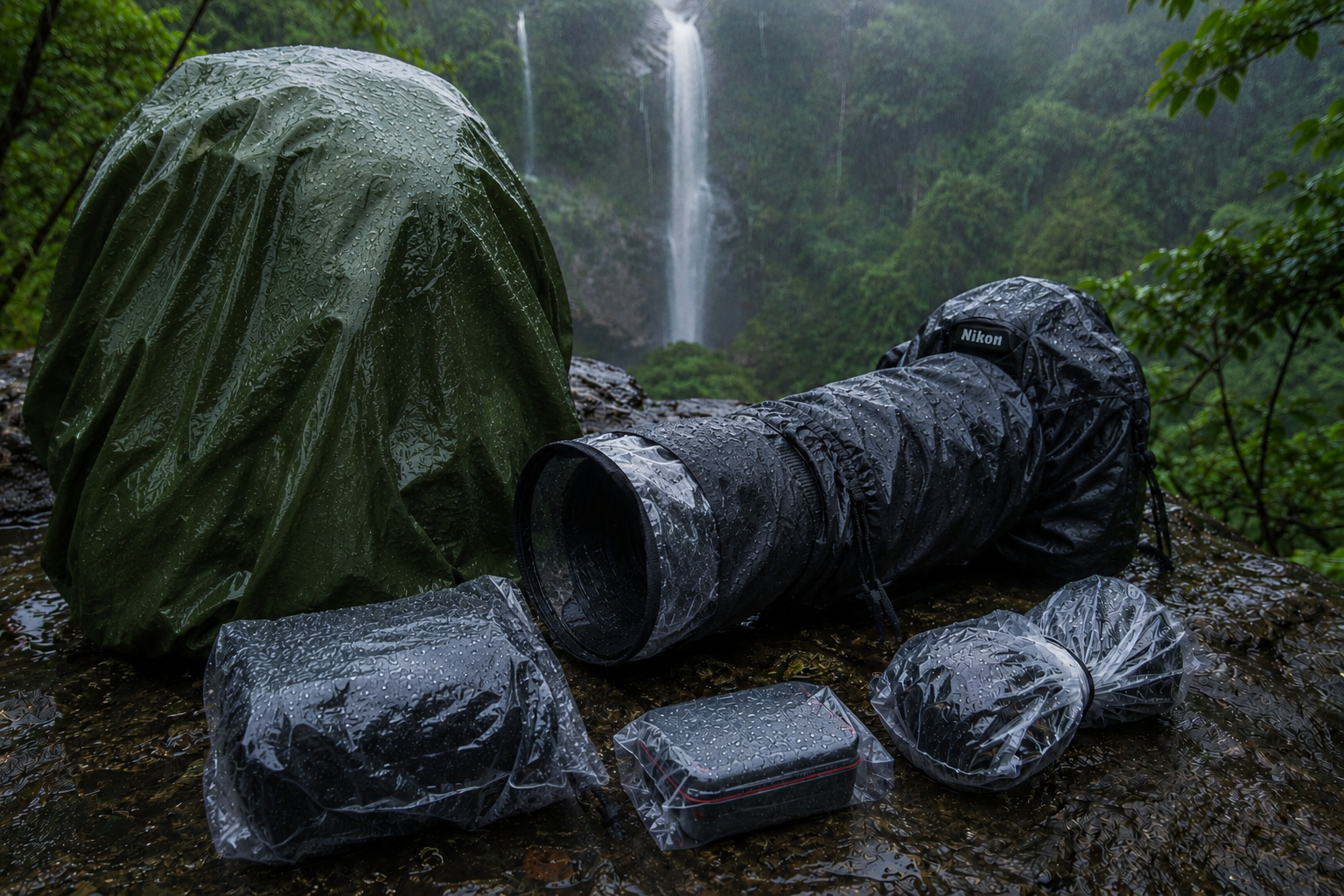
Use a Waterproof Camera Backpack
A regular backpack is not enough. Invest in a proper waterproof or rain-covered camera backpack with padded compartments. Your bag should comfortably hold:
- Camera body
- Main telephoto lens
- Extra lens if required
- Batteries and memory cards
- Rain cover
- Cleaning kit
Choose a backpack that is lightweight but durable because monsoon hikes can get exhausting quickly.
Carry a Dedicated Rain Cover for Your Camera
One of the most common mistakes photographers make is relying only on umbrella protection. Forest rain often arrives sideways with wind and mist.
A camera rain sleeve or rain cover protects your camera while allowing you to continue shooting during light rain. Even a simple transparent rain sleeve can save your gear.
Dry Bags Are Essential
Always carry dry bags or zip-lock waterproof pouches inside your backpack for:
- Batteries
- Memory cards
- Phone
- Wallet
- Important documents
Humidity can damage electronics even without direct rain exposure.
Lens Care During Monsoon Is Critical
Moisture and fogging are constant problems during monsoon photography.
Microfiber Cloths Are Non-Negotiable
Carry multiple microfiber cloths because one cloth becomes damp very quickly in humid weather.
Use them to wipe:
- Lens front element
- Viewfinder
- Filters
- Camera body
Avoid using wet cloth repeatedly because it can leave streaks and fungal residue.
Silica Gel Packs Help More Than You Think
Place silica gel sachets inside your camera bag to absorb excess moisture. During long monsoon trips, they help reduce chances of fungus formation inside lenses.
This is especially important if you travel to highly humid regions like the Western Ghats or Northeast India.
Avoid Frequent Lens Changes
Changing lenses in rain or humidity increases the risk of moisture and dust entering your sensor.
If possible:
- Carry one versatile setup
- Plan your focal lengths beforehand
- Change lenses only under shelter
Many wildlife photographers prefer sticking to a single telephoto setup during monsoon expeditions for this reason.
Clothing Can Make or Break Your Experience
Monsoon photography is physically demanding. You may walk through muddy trails, wet grasslands, streams, or dense forest paths for hours.
Your clothing should keep you comfortable without restricting movement.
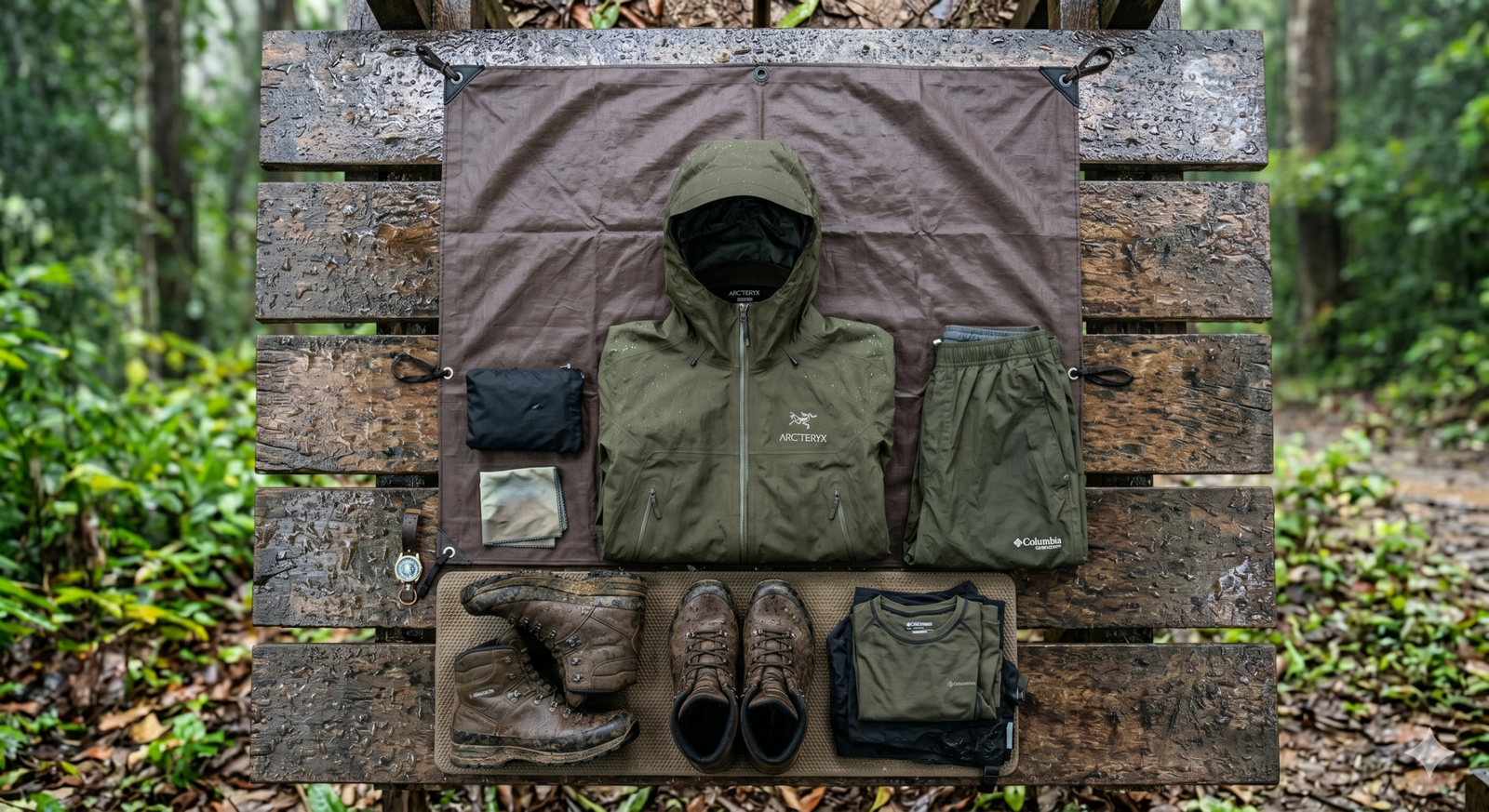
Quick-Dry Clothing Works Best
Avoid jeans or heavy cotton clothes because they stay wet for hours.
Instead choose:
- Quick-dry trekking pants
- Moisture-wicking t-shirts
- Lightweight full-sleeve shirts
Full sleeves also help protect against insects and scratches.
Neutral Colors Matter
Bright colors can disturb birds and wildlife.
Choose earthy tones like:
- Olive green
- Brown
- Grey
- Muted beige
These blend naturally into the environment and help you stay less noticeable.
Carry a Lightweight Poncho
A compact rain poncho is often more practical than a raincoat because it can cover both you and your backpack.
During sudden showers, this becomes extremely useful while moving between birding locations.
Footwear Is More Important Than Most People Realize
You may be carrying the best camera equipment, but uncomfortable footwear can ruin an entire day in the field.
Waterproof Trekking Shoes Are Ideal
Monsoon birding often involves:
- Muddy slopes
- Wet rocks
- Forest streams
- Slippery trails
Choose shoes with:
- Good grip
- Ankle support
- Water resistance
Avoid flat sneakers because they become slippery quickly.
Carry Extra Socks
Wet socks are one of the fastest ways to become uncomfortable during fieldwork.
Pack at least 2–3 extra pairs, quick-dry socks if possible
Changing into dry socks midway through the day feels surprisingly refreshing during long shoots.
Gaiters Help in Dense Forests
If you are exploring leech-prone regions like the Western Ghats, gaiters can protect your legs from mud, water, and insects.
Power Backup Is Essential During Long Days
Monsoon weather drains batteries faster than expected, especially in cooler or humid conditions.
Carry Extra Batteries
Wildlife moments are unpredictable. The last thing you want is your battery dying just as a targeted bird appears.
Always carry 2–3 fully charged batteries and waterproof storage pouch
Keep batteries dry and avoid exposing them to direct moisture.
Memory Cards Fill Up Faster During Monsoon
Rainy conditions create beautiful action shots:
- Birds shaking water droplets
- Flight shots in dramatic weather
- Misty habitat frames
- Behavioral moments
You will shoot more than usual.
Carry multiple memory cards and protective card holder
Backing up images every night is also a good habit during extended trips.
Power Banks Are Extremely Useful
If you use:
- Mirrorless cameras
- Smartphones for GPS
- Mobile editing apps
Then a power bank becomes essential during long field sessions.
Do Not Ignore Personal Essentials
Many photographers focus entirely on camera equipment and forget personal comfort items that become lifesavers in the field.
Insect Repellent Is a Must
Monsoon forests are filled with:
- Mosquitoes
- Midges
- Ticks
- Leeches
A good insect repellent can make long waits near water bodies far more comfortable.
Carry Basic Medicines
Your monsoon kit should include:
- Pain relief tablets
- Band-aids
- Antiseptic cream
- ORS sachets
- Personal medications
Minor cuts and exhaustion are common during outdoor travel.
Stay Hydrated
Even cool weather can cause dehydration during long hikes.
Carry reusable water bottle and electrolyte packets
Humidity often makes people underestimate fluid loss.
Pack Smart, Not Heavy
One of the biggest mistakes beginners make is overpacking.
During monsoon photography trails become harder, bags feel heavier, and energy drains faster. Thus, carry only what you truly need.
A Practical Monsoon Bird Photography Setup Could Include:
- One camera body
- One telephoto lens
- Lightweight backup lens
- Rain cover
- Cleaning cloths
- Batteries and cards
- Poncho
- Quick dry clothes
- Waterproof boots
- Water bottle
- Small first-aid kit
That is usually enough for most field situations.
Monsoon Photography Requires Patience
Unlike dry season wildlife photography, monsoon birding is slower and more unpredictable.
Bird activity changes with rain intensity, light conditions shift rapidly, and visibility can become challenging. But this is also what makes monsoon photography so rewarding.
The rain creates:
- Soft diffused lighting
- Rich background colors
- Atmospheric frames
- Dramatic storytelling opportunities
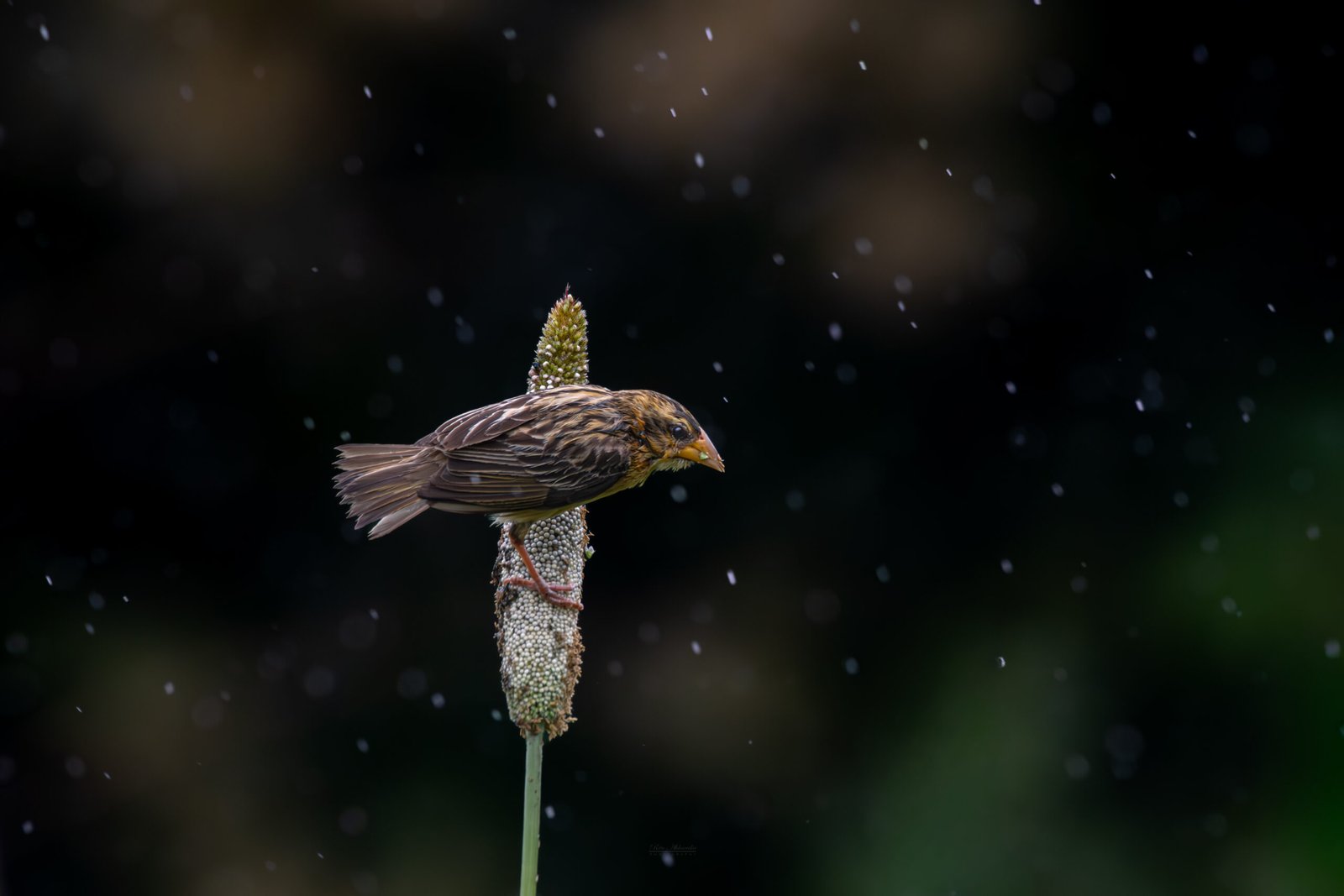
Some of the most emotional bird photographs are created during rainy weather because the environment itself becomes part of the story.
Instead of chasing only sharp record shots, use the season creatively:
- Include rain streaks
- Capture reflections
- Photograph birds interacting with weather
- Experiment with silhouettes and mist
Monsoon is not just about documenting birds. It is about capturing mood.
Respect the Forest During Monsoon
Monsoon is breeding season for many species. Birds are nesting, feeding chicks, and defending territories.
As photographers, ethical behavior becomes even more important during this time.
Avoid:
- Getting too close to nests
- Playing bird calls
- Disturbing resting birds
- Entering sensitive habitat zones
Wet forests are fragile ecosystems. Stay on trails whenever possible and leave no litter behind.
The best wildlife photography always comes from patience and respect.
Monsoon bird photography is not always easy. You may return soaked, muddy, exhausted, and carrying thousands of photographs where many frames did not work.
But then there will be one moment.
A kingfisher perched in the rain.
A drongo shaking droplets mid-flight.
A hornbill emerging through mist.
A tiny frogmouth hidden beneath dripping leaves.
And suddenly every wet trail and fogged lens feels worth it.
The monsoon transforms ordinary forests into living stories. With the right preparation and thoughtful packing, you can focus less on worrying about your gear and more on experiencing the wild around you.
Because sometimes the best photographs are not captured despite the rain.
They are captured because of it.